


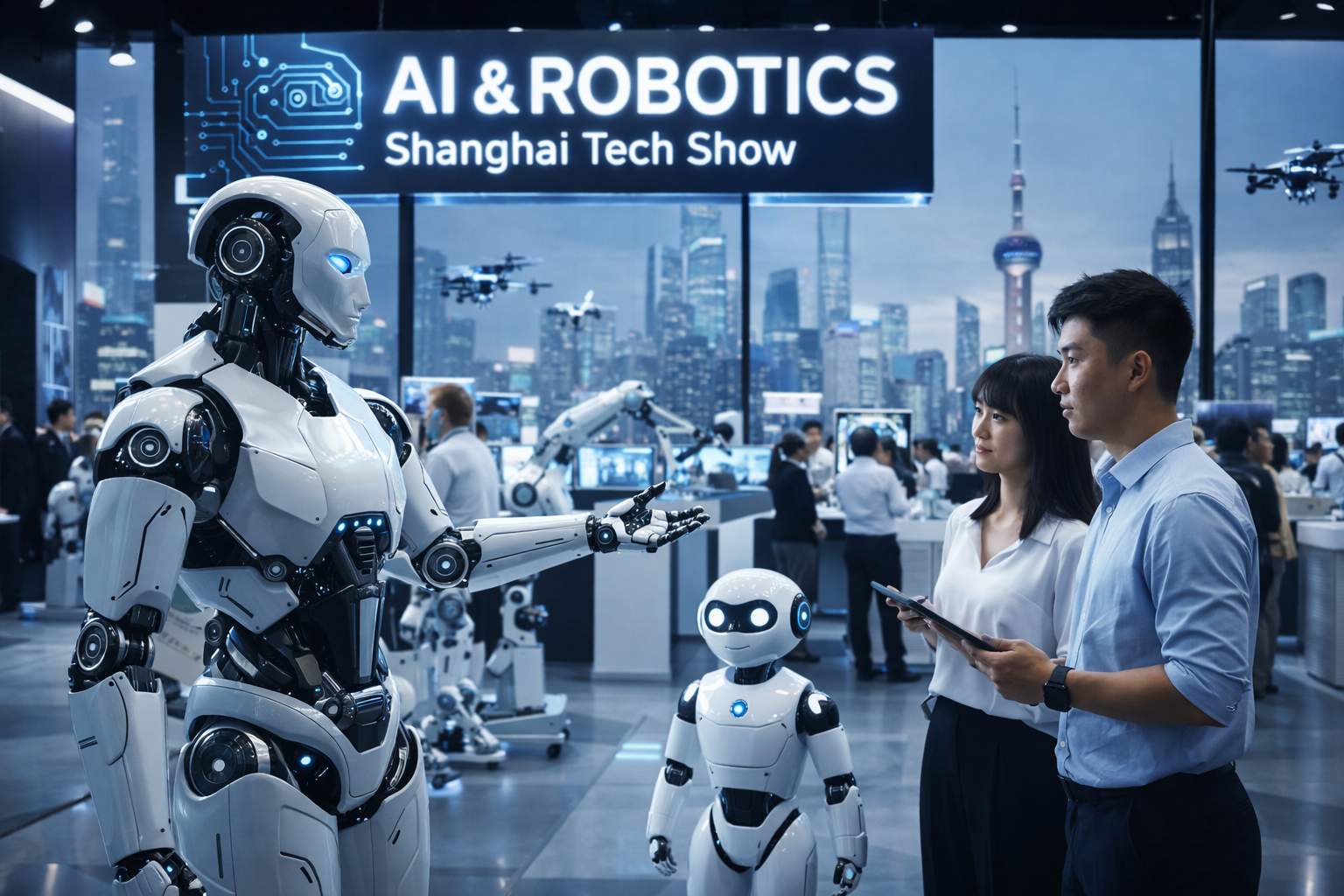
Shanghai has fast emerged as a global hub for artificial intelligence and robotics innovation, becoming one of the most influential platforms where Chinese and international tech companies showcase their latest advancements in AI-powered consumer devices. From humanoid robots to smart glasses and everyday intelligent gadgets, the city’s tech exhibitions reflect the rapid evolution of AI and its integration into consumer lifestyles.
In this post, we’ll explore major trends, standout products, key events, and what these innovations mean for both global consumers and international buyers seeking cutting-edge Chinese tech.
1. The Rise of AI & Robotics in China’s Consumer Tech Scene
In recent years, China has shifted its focus from purely hardware-centric electronics to AI-infused consumer products that merge software intelligence with physical devices. This trend isn’t just confined to smartphones or smart home appliances — it includes augmented reality devices, autonomous robots, wearable AI tech, and next-gen gadgets aimed squarely at enhancing daily life.
Tech exhibitions happening in Shanghai — like Tech G, AWE (Appliance & Electronics World Expo), and the China International Import Expo (CIIE) — serve as major platforms, drawing thousands of exhibitors and tens of thousands of visitors eager to glimpse the future of consumer tech. (CNAI Plus)
Chinese manufacturers now include a growing number of AI-powered devices alongside traditional consumer products, indicating a broader shift in industry priorities toward intelligent terminal devices. (China Daily Regional)
2. Major AI & Robo-Tech Showcases in Shanghai
Shanghai hosts several high-profile tech events that consistently feature breakthroughs and buzz-worthy gadgets:
a. Shanghai International Consumer Electronics Expo (Tech G)
Held annually at the Shanghai New International Expo Centre, Tech G has become one of Asia’s premier stages for consumer electronics innovation. In 2025, the show’s theme — “New Terminals Create the Future” — highlighted AI, XR (Extended Reality), smart home applications, and robotics across a sprawling exhibition space. (CNAI Plus)
Tech G organizes dedicated zones for robotics, wearable AI devices, smart health tech, and more. These zones provide visitors with hands-on experiences and the first look at cutting-edge gadgets that are not yet widely available on global markets.
b. AWE 2025 (Appliance & Electronics World Expo)
AWE, one of China’s most influential consumer electronics expos, integrates AI into everyday appliances and robotics. In 2025, the show’s robotics section attracted attention with consumer-grade robots and AI-enabled smart devices designed for home, entertainment, and productivity.
From humanoid bots to smart robotic assistants, AWE continues to showcase how AI is transforming not just tech enthusiasts’ lives, but everyday consumer experiences.
c. China International Import Expo (CIIE)
Although broader in scope — encompassing trade goods, industrial tech, and services — CIIE also dedicates sections to robotics and intelligent equipment. Notably, global names and Chinese innovators alike use the platform to display autonomous tech that could soon move from prototype to real world. (Reddit)
3. The Most Talked-About AI & Robotics Gadgets in Shanghai
Below are some of the most exciting AI and robotics consumer products that have made waves at these tech shows:
1. Advanced Humanoid Robots
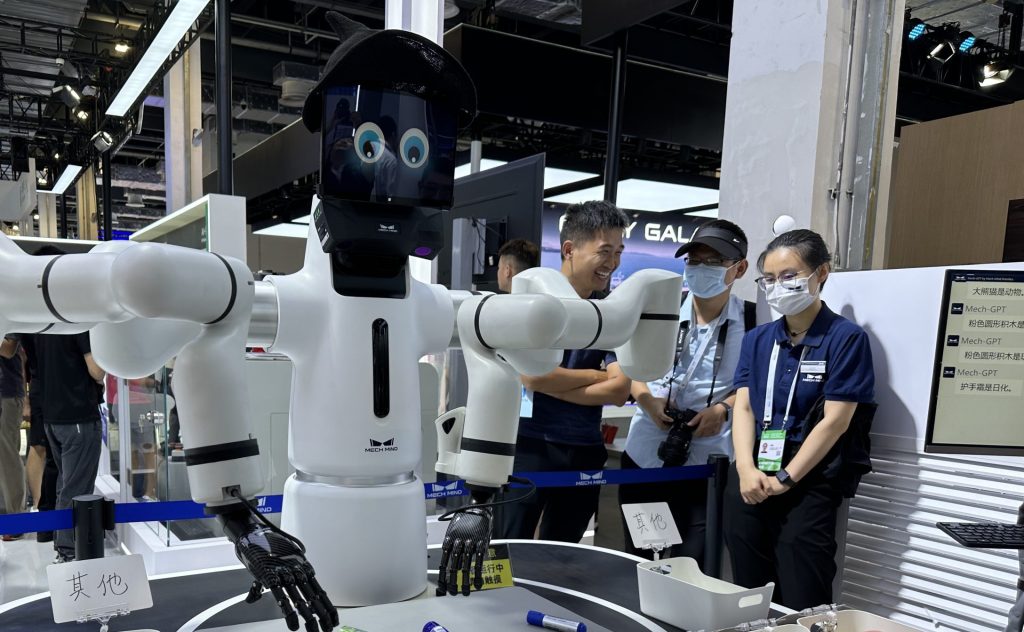
One of the most captivating aspects of Shanghai tech expos is the presence of humanoid robots.
Companies like Unitree Robotics have become crowd favorites with their adaptable, lifelike robots such as the R1, H2, and other models that demonstrate tasks from simple movement to coordinated interactions with people. These robots often perform dynamic movements like walking, dancing, or interacting with visitors — and are frequently caught on camera by attendees. (South China Morning Post)
Humanoid robots are no longer just science fiction. From assisting in retail spaces to performing demonstrations that blur the line between physical machines and interactive companions, these robots offer a glimpse of what automation could soon look like in everyday life.
And while some early demos elsewhere have faced scrutiny for not being fully autonomous (in some cases relying on remote operators), Chinese exhibitions still highlight the rapid progress being made. (Reddit)
2. AI-Powered Smart Glasses and Wearables
AI glasses are increasingly popular at Shanghai’s tech shows. Devices like those showcased by companies featuring AR and AI integration — including real-time translation, object recognition, and enhanced interactive interfaces — reflect a strong push toward wearable AI for everyday use. (Ehangzhou)
Augmented reality (AR) smart glasses are being designed not just for entertainment, but for productivity, communication, and even navigation — suggesting they could become mainstream consumer wearables in the near future.
3. Companion and Home Robotics
Robotic vacuum cleaners, window-cleaning robots, and companion bots have become staples on the expo floor, with brands like Dreame Technology displaying their latest AI-enhanced models that learn from user behavior and home environments. (China Daily)
These devices are now smart enough to map homes, respond to voice commands, and even anticipate cleaning needs — merging convenience with household automation in powerful new ways.
4. Smart Health & Lifestyle Gadgets
At Shanghai events like the West Bund International Tech Consumption Carnival, AI devices extend into health and personal tech. Examples include AI-powered face-scanning devices that estimate physiological indicators without wearables — a trend showing that AI is no longer limited to robotic bodies, but is also deeply embedded in health monitoring tech. (YouTube)
These gadgets not only appeal to fitness enthusiasts, but could attract consumers interested in personalized wellness insights powered by artificial intelligence.
4. How AI Changes Consumer Experiences
One common theme at Shanghai’s tech shows is the shift from standalone hardware to AI-integrated intelligent systems. Instead of focusing on functions alone, companies are now building devices that think, learn, and interact.
AI in Smart Home Gadgets
Smart home tech is becoming more intuitive, with devices that automate tasks based on user behavior, environmental conditions, and predictive models. For example:
- AI-powered smart displays that adapt content based on time and user preferences
- Intelligent refrigerators and appliances that can suggest recipes or manage grocery lists
- Voice-activated control systems that reduce friction between users and devices
These innovations show how AI is reshaping traditional appliances into interactive members of the household.
AI in Wearables and AR Tech
Wearables and AR gadgets are no longer just about notifications or digital overlays — they now interpret real-world environments, assist with translation, and enhance user productivity. They create immersive experiences and represent the next frontier in intuitive human-machine interaction.
AI Robots for Daily Life
Humanoid robots and robotic assistants are designed not just for industrial purposes, but to make everyday life easier — whether through delivering goods, supporting retail experiences, or engaging with people in public spaces. Their presence at tech expos demonstrates that the consumer robot market is maturing quickly.
5. The International Buyer’s Perspective
For international buyers interested in Chinese tech, Shanghai’s AI and robotics showcases offer several benefits:
• Early Access to Innovation
Many devices displayed at Shanghai shows have not yet hit global markets. International buyers, partners, and retailers often gain early access, which can lead to competitive advantages when launching products abroad.
• Diverse Product Ecosystem
The range of AI devices — from health tech to home robots — enables buyers to explore a full spectrum of intelligent gadgets tailored to different market segments.
• Networking Opportunities
Exhibitions bring together manufacturers, developers, distributors, and investors, making them ideal for establishing partnerships and sourcing cutting-edge products.
6. What’s Next for AI & Robotics in China
Moving forward, we’re likely to see even more integration between software, AI models, and physical devices. As Chinese companies continue to advance machine learning and robotics hardware, these technologies will become more accessible and consumer-centric.
📌 AI and Robotics Trends to Watch:
- Greater autonomy in robots — enabling more complex tasks without external control systems
- Smarter AR wearables — blending digital data with real-world environments
- AI in healthcare devices — wearables and home health monitoring tools
- AI-integrated smart homes — fully connected living environments
These trends indicate a future where AI isn’t just a feature in gadgets — it’s the core of how new technologies are designed and experienced.
7. Final Thoughts
Shanghai’s tech events offer a fascinating window into the evolution of AI and robotics consumer gadgets. From humanoid robots and smart glasses to intelligent home devices and health tech, these innovations represent the cutting edge of consumer technology.
For international buyers and tech enthusiasts alike, following these trends is essential — not just to understand the market, but to anticipate how AI and robotics will shape everyday life across the globe.
Whether you’re planning a visit to next year’s expo or writing product reviews for HiveLense, staying tuned to Shanghai’s tech scene will keep you ahead in the world of smart technology.


